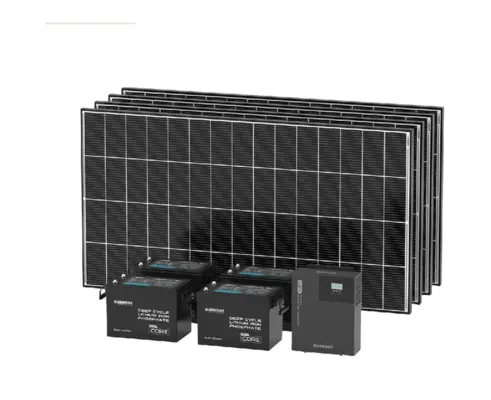
Permit requirements for cabin solar vary enormously by jurisdiction, and this guide can only cover general principles — not a substitute for checking with your specific local building department. That said, here's what tends to matter and where to start looking.
This is general educational information, not legal advice. Requirements vary by state, county, and even by specific zoning district. Always confirm requirements directly with your local building or planning department before installing.
What Tends to Trigger Permit Requirements
- Roof-mounted systems on a permitted structure are more likely to require an electrical or building permit than ground-mounted, portable, or non-structural installations.
- Systems tied into a cabin's existing electrical wiring (feeding permanent outlets or fixtures) are more likely to trigger inspection requirements than a standalone battery/inverter setup that doesn't touch the structure's wiring.
- Larger systems above certain wattage thresholds sometimes have different requirements than small, clearly portable setups — thresholds vary by jurisdiction.
Where Requirements Tend to Be Minimal
Truly remote, off-grid cabins in unincorporated rural counties often have lighter-touch requirements than properties within incorporated town or city limits. Ground-mounted, standalone off-grid solar (not tied to structure wiring) frequently falls into a lighter regulatory category than roof-mounted, grid-adjacent, or structurally integrated systems — but "often" and "frequently" are doing real work in that sentence, and it genuinely depends on your specific county.
Zoning Considerations Beyond Solar Itself
Some rural and recreational zoning districts have separate rules about structures, setbacks, and land use that may affect where you can locate a ground-mount solar array relative to property lines, or whether a cabin itself has restrictions on being occupied as a dwelling vs. a recreational structure. These zoning questions are often separate from solar-specific permitting and worth checking independently if you're unsure of your cabin's zoning classification.
Insurance Considerations
If your cabin is insured, check whether adding a solar system needs to be disclosed to your insurer, and whether the installation method (professional vs. DIY) affects coverage in the event of a fire or storm-related claim. This is worth a quick call to your insurance provider rather than an assumption either way.
Questions Worth Asking Your Local Building Department
- Does a ground-mounted, off-grid solar system (not connected to structure wiring) require a permit in this jurisdiction?
- Does a roof-mounted system change that answer?
- Are there wattage or capacity thresholds that change permit requirements?
- Does the cabin's specific zoning classification affect what's allowed?
When to Bring in a Professional
Even in areas with minimal permit requirements, having a licensed electrician review any connections tying into the cabin's existing wiring is a reasonable precaution — both for safety and to avoid complications with insurance or a future property sale where an undocumented electrical modification could raise questions.
HOA and Deed Restriction Considerations
Beyond government permitting, some cabin properties are subject to homeowner association rules, deed restrictions, or conservation easements that may separately restrict structures, ground-mounted equipment, or visible modifications, regardless of what county or municipal permitting requires. These are private agreements rather than government regulations, but they're just as binding and worth checking your specific property's deed and any HOA documentation before installing, particularly for ground-mount arrays that are visually prominent.
Documentation Worth Keeping
Keep records of any permits obtained, correspondence with your local building department, and system specifications (panel wattage, battery capacity, installation date) with your other property documents. This matters for insurance purposes, for any future property sale where a buyer or their inspector may have questions, and simply for your own reference if questions arise later about what was installed and when.
Land Trust and Conservation Easement Properties
If your cabin sits on land subject to a conservation easement or is part of a land trust arrangement, there may be additional restrictions on structures and ground-mounted equipment beyond standard county zoning, specific to the easement's terms. Review any easement documentation for your specific property before assuming standard county rules are the only consideration.
State-Level Variation Beyond County Rules
Some states have statewide solar rights provisions that limit how restrictive local rules or HOAs can be regarding solar installations, while others leave it entirely to local jurisdiction. This is a genuinely fast-moving area of policy that varies considerably by state, and it's worth a quick search for your specific state's current solar rights provisions in addition to checking local county and HOA rules directly.
A Practical First Step
Rather than trying to research every possible regulation in advance, a practical first step is a single phone call or email to your local building department describing your specific planned installation (ground-mount or roof-mount, approximate size, whether it connects to structure wiring) and asking directly whether a permit applies. This single conversation often resolves more uncertainty than extensive independent research, since local officials can tell you definitively what applies to your specific situation rather than general principles that may or may not match your jurisdiction's actual rules.
Keeping Your Approach Proportionate
It's worth keeping the permit and zoning research proportionate to your actual installation — a small portable power station with a folding panel almost never triggers any regulatory question at all, while a large roof-mounted array wired into structure electrical service is where diligence genuinely matters most. Match your research effort to your project's actual scale and permanence rather than assuming every cabin solar project requires the same level of regulatory scrutiny.
When Uncertain, Ask First
The cost of a phone call to your local building department before installation is essentially zero. The cost of discovering a permit requirement after the fact — potentially including removal or modification of already-completed work — is considerably higher. When in doubt about whether your specific project needs a permit, asking first is always the lower-risk choice.
Building a Simple Compliance File
Once you've confirmed your specific requirements and, if applicable, obtained any needed permits, keep a simple physical or digital file with that documentation alongside your system specifications. This single habit resolves most future questions — from your own memory years later, from insurance, or from a future buyer's inspector — without needing to reconstruct the research from scratch.
The Bigger Picture
Permit and zoning research feels like a tedious detour from the more exciting parts of a cabin solar project, but it's a genuinely small time investment relative to the rest of the build, and it protects the investment you're about to make in the system itself. A few phone calls upfront is meaningfully cheaper insurance than dealing with a compliance issue after the system is already installed and running.
It's a small step that protects a much larger investment.