Insurance for Off-Grid Cabins With Solar
Affiliate disclosure: This page contains paid links to Amazon and eBay. If you buy through them, we may earn a commission at no extra cost to you. As an Amazon Associate I earn from qualifying purchases.
Off-grid cabins face specific insurance challenges: many standard policies don't cover secondary residences or vacant properties, off-grid systems may require specific endorsements, and remote locations face higher rates. The three main paths are specialty cabin insurance (companies that specifically insure seasonal cabins), homeowner policy with secondary residence endorsement, or self-insurance for smaller cabins. Below is the framework for finding coverage that actually applies.
Cabin insurance is often more complex than owners expect. A cabin isn't a primary residence, isn't a rental property (usually), sits vacant for extended periods, has non-standard construction, and may have unusual heating and electrical systems. Standard homeowner policies aren't always a fit.
Why cabin insurance is different
Vacancy risk. Cabins sit empty for weeks or months at a time. Insurance companies view vacancy as elevated risk for water damage, break-in, fire spread without early detection, and weather damage.
Remote location risk. Fire response times are longer, emergency medical response is delayed, weather damage may go undetected for days.
Non-standard construction. Log construction, timber frame, non-standard foundations, and other cabin-specific building styles may need specialty underwriting.
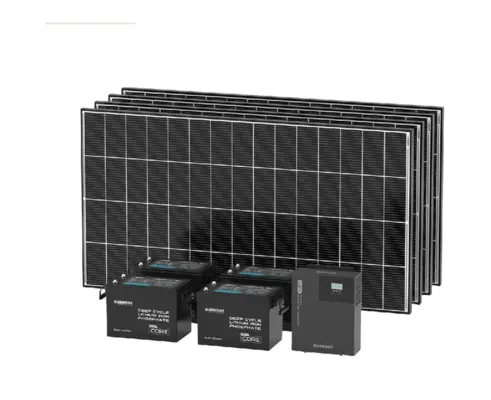
Solar and off-grid systems. Battery banks, inverters, and solar arrays are valuable equipment that generally requires specific coverage.
Wood stove and propane heat. Standard homeowner policies sometimes exclude or restrict coverage for wood stoves and require specific installation documentation.
Coverage paths
Specialty cabin insurance carriers. Companies like Foremost, American Modern, and various regional carriers specifically write cabin and seasonal residence policies. Underwriting understands the risk profile, coverage is designed for the use case, rates are often reasonable.
Homeowner policy with secondary residence endorsement. Some primary-residence homeowner policies can be extended to a secondary cabin. Simpler if you already have a good homeowner policy. Terms may be less favorable than specialty cabin insurance.
Umbrella liability policy plus limited property coverage. For very simple, low-value cabins, an umbrella liability policy plus minimal property insurance may be adequate. Not appropriate for higher-value cabins.
Self-insurance for very small cabins. For basic bunkhouse-tier cabins with modest replacement cost, some owners self-insure — accepting the risk in exchange for zero premium. Only appropriate for very low-value structures.
What to look for in a policy
Actual cash value vs. replacement cost. Actual cash value pays depreciated value; replacement cost pays what it costs to rebuild. Replacement cost is worth the higher premium.
Vacancy provisions. Some policies limit or exclude coverage after a cabin has been vacant for a certain period (often 30-60 days). Understand these before signing.
Solar equipment coverage. Verify that solar panels, batteries, inverters, and charge controllers are covered. Some policies exclude them or require separate endorsement.
Personal property coverage. Cabin contents (furniture, appliances, personal items) may be covered at reduced limits versus a primary residence policy.
Liability coverage. Adequate liability limits for potential guest injuries or property damage.
Deductibles. Higher deductibles reduce premium but shift more risk to owner. Match to your financial capacity.
What insurers typically ask about
Underwriting questions for cabin policies commonly include:
- Vacancy pattern (how often occupied).
- Heating source (wood stove, propane, electric).
- Wood stove installation details (permit status, chimney condition, clearances).
- Electrical system (solar-powered, generator, grid-connected).
- Water source (well, cistern, spring).
- Fire response distance and access.
- Access road maintenance during winter.
- Security measures (alarms, cameras, motion lights).
- Nearby fire hydrants or water sources.
Answer these honestly. Discovered misrepresentation voids the policy.
Wildfire and flood zones
Cabins in wildfire zones face specific challenges:
- Some standard carriers won't write in high-risk fire zones.
- State-provided last-resort insurance (California FAIR Plan, others) may be the only option.
- Defensible space requirements must be documented.
- Fire safe roofing (Class A) may be required.
Cabins in flood zones (near rivers or lakes) may need separate flood insurance through National Flood Insurance Program (NFIP) or private flood insurance. Standard cabin insurance doesn't cover flood damage.
Solar system valuation
Ensure your solar installation is properly valued on the policy. A modern cabin solar system (panels, batteries, inverter, mounting, wiring, controllers) represents substantial value that needs specific coverage. Provide the insurer with:
- Total installed value.
- Photos of installation.
- Receipts for major components.
- Model numbers and installation dates.
This documentation supports fair claims settlement if the system is damaged.
Coverage limits by cabin type
Rough coverage limit patterns:
- Small basic bunkhouse: modest dwelling coverage, minimal contents.
- Weekend family cabin: mid-range dwelling coverage, moderate contents.
- Full-time cabin: full replacement dwelling coverage, comprehensive contents.
- Cabin with extensive solar system: additional coverage for equipment.
Under-insuring leads to inadequate settlement on total loss. Over-insuring wastes premium.
Claims and remoteness
Filing claims from remote cabins introduces specific challenges:
- Adjusters may take longer to visit remote properties.
- Weather may delay repair contractor access.
- Local contractor availability may be limited.
- Off-grid systems may require specialty contractors.
Document damage thoroughly with photos before any cleanup. This supports faster settlement even with delayed adjuster visits.
Bundling and discounts
Common discount opportunities:
- Bundle with primary homeowner policy (multi-policy discount).
- Alarm system installation (monitored alarm, motion sensors).
- Fire suppression (sprinklers rare at cabins but sometimes offered).
- Membership discounts through cabin owner associations.
Ask specifically about available discounts. Some are worth pursuing.
Bottom line
Off-grid cabin insurance requires more careful shopping than primary residence insurance. Specialty cabin insurance carriers understand the risk profile. Verify that solar equipment is covered, vacancy provisions are acceptable, and heating system installation is documented. Provide honest and complete information during underwriting. Document solar installation and wood stove installation thoroughly. Consider higher deductibles to reduce premium. For cabins in wildfire or flood zones, additional specialty coverage may be needed.
Working with your agent
Establish a relationship with an agent who specifically understands cabin and off-grid property insurance. General agents often lack the specialty knowledge and may either over- or under-insure the property. A knowledgeable specialty agent asks the right questions, recommends appropriate coverage, and helps navigate claims when they happen.
Frequently Asked Questions
Can I insure an off-grid cabin with my regular homeowner policy?
Sometimes — some primary-residence homeowner policies can add secondary residence endorsements. Specialty cabin insurance from companies like Foremost or American Modern is often better designed for the use case. Compare offerings before deciding.
Do I need special insurance for my solar system?
Yes, verify that your policy covers solar panels, batteries, inverters, and mounting equipment. Some standard policies exclude solar equipment or require specific endorsement. Provide the insurer with total installed value and documentation.
What about vacancy — is my cabin covered when I'm not there?
Depends on the policy. Some policies limit or exclude coverage after 30-60 days of vacancy; others cover vacant cabins normally. Understand the vacancy provisions before signing, especially for cabins used seasonally.
Does insurance cost more for cabins in wildfire zones?
Yes — sometimes dramatically more, or standard carriers may refuse to write coverage. State-provided last-resort insurance (California FAIR Plan, etc.) may be the only option in the highest-risk zones. Defensible space requirements must typically be documented.
Is a wood stove going to affect my insurance rate?
Yes, and installation documentation matters. Insurers typically ask about wood stove installation, chimney condition, clearances, and permit status. Undocumented or non-compliant installations may increase rates or restrict coverage. Get proper installation with documentation.